Compare Local Contractors for Safe Tree Debris Removal
Compare local contractors for tree debris removal to define the scope, verify experience, and set clear expectations for a successful project.
Tree debris removal services typically encompass the clearing and disposal of fallen branches, leaves, and other organic material resulting from storms, trimming, or natural shedding. Contractors may also handle the removal of uprooted or damaged trees, as well as the cleanup of debris left in yards, driveways, and landscaping areas. The scope of work can vary depending on the size of the property, the extent of debris, and specific client needs, making it important to clearly outline what tasks are included to ensure the job meets expectations.
Defining the scope of tree debris removal work is essential for establishing clear expectations and avoiding misunderstandings. Property owners should specify which areas need clearing, whether the work involves just light cleanup or more extensive removal of large branches or entire trees. Detailing the scope in writing helps ensure that contractors understand the project requirements and can provide accurate proposals. It also provides a reference point for assessing completed work and addressing any concerns that may arise during or after the job.
When comparing local contractors for tree debris removal, property owners should consider their experience with similar projects and the types of debris involved. It’s helpful to verify the services each provider offers and to review their process for defining scope and handling cleanup. Asking for references or examples of previous work can provide insight into their reliability and quality. Additionally, reviewing written descriptions of the scope of work and ensuring all expectations are documented can facilitate a smoother process and help identify the best service provider for the specific needs of the property.
Compare local contractors by outlining your needs, verifying experience, and setting clear expectations in writing.
- Compare Service Providers - review local contractors to find those with relevant experience in tree debris removal.
- Define Scope Clearly - specify the extent of debris removal to ensure all parties understand the work involved.
- Verify Experience and Qualifications - check the background and track record of local contractors to assess their expertise.
- Document Expectations in Writing - establish detailed agreements to prevent misunderstandings and ensure project clarity.

Clearly describe your tree debris removal project to help compare local contractors, define scope, and set expectations in writing.
- Assess the contractor’s experience with tree debris removal to ensure familiarity with different types of debris and property considerations. - Verify that scope of work and specific debris removal tasks are clearly outlined in the written agreement.
- Compare multiple local contractors to evaluate the scope of services offered and their approaches to debris cleanup. - Ensure the contractor’s methods align with the property’s needs and debris types.
- Check that the contractor has appropriate equipment and safety measures for efficient and safe debris removal. - Confirm that the scope includes cleanup and disposal procedures for all debris types.
- Review references or past projects to gauge the quality and thoroughness of the contractor’s debris removal work. - Clarify what debris will be removed and how cleanup will be handled in the scope of work.
- Ensure that the scope of work includes details about debris disposal methods and site cleanup after removal. - Confirm that all debris removal tasks and responsibilities are documented in writing.
- Compare contractor proposals to see how each plans to handle the scope of debris removal and cleanup processes. - Look for clear descriptions of debris removal procedures and disposal options in the scope of work.
Compare local contractors’ experience, clarify scope, and set expectations clearly in writing.

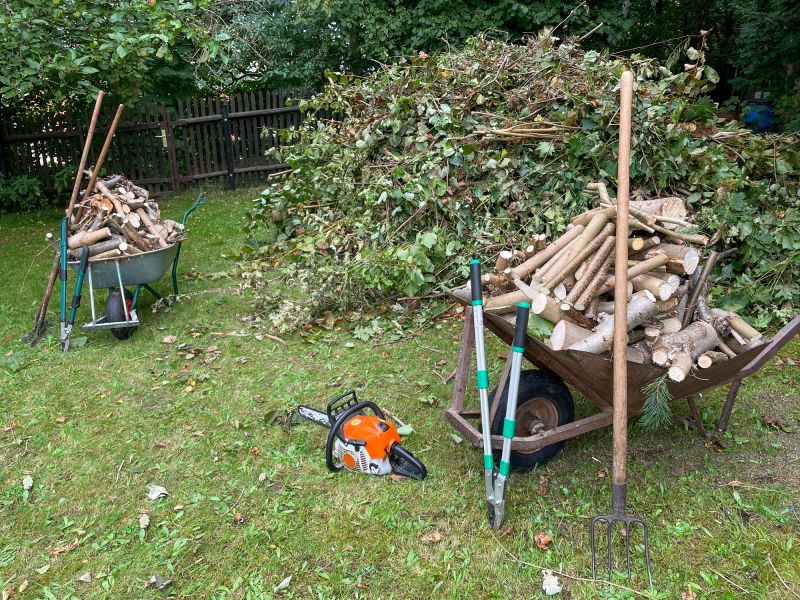
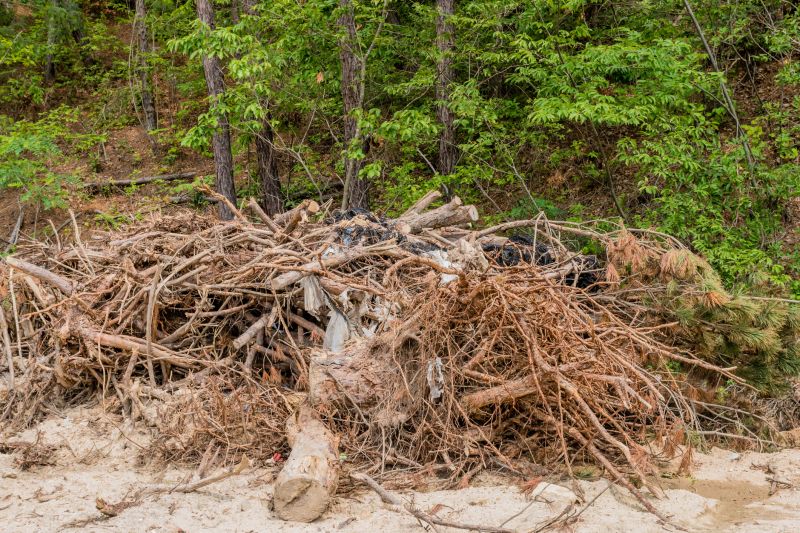
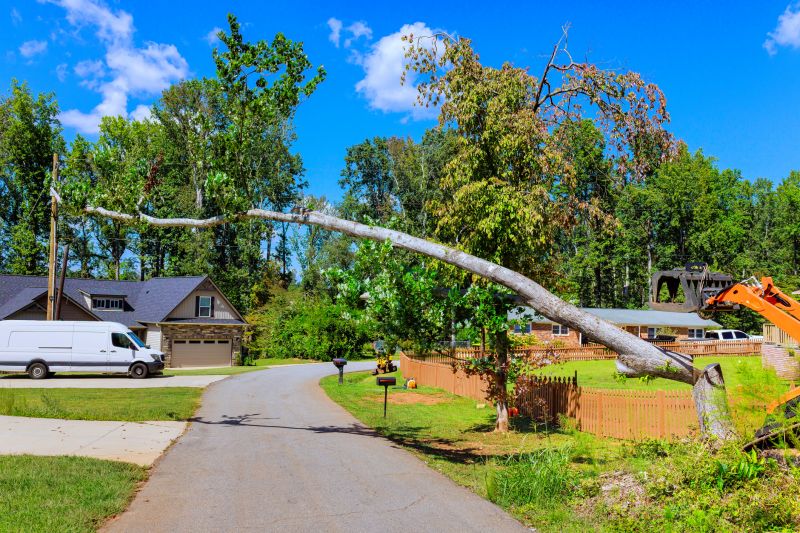
Learn how to compare local contractors, define clear scope, verify experience, and set expectations in writing.
- Scope Definition - Clearly outline the specific types of tree debris removal services needed, including debris cleanup, hauling, and disposal.
- Experience Verification - Confirm that local contractors have relevant experience with tree debris removal projects of similar scope and complexity.
- Material and Equipment - Specify the tools, machinery, and disposal methods that should be used to ensure proper and efficient cleanup.
- Work Scope in Writing - Ensure all project details, including tasks and responsibilities, are documented in a written agreement or scope of work.
- Comparison Criteria - Establish criteria for comparing local service providers based on expertise, service offerings, and scope clarity.
When comparing contractors for tree debris removal, it is essential to evaluate their experience with similar projects. Service providers with a history of handling tree debris removal can often demonstrate familiarity with the specific challenges involved, such as dealing with different types of trees, debris sizes, and site conditions. An experienced contractor is more likely to understand the necessary steps to safely and efficiently clear debris while minimizing potential damage to surrounding landscape or property. Gathering information about their past work in similar environments can help ensure the contractor has the relevant background to manage the scope effectively.
A clear, written scope of work is a vital component in selecting a reliable contractor. This document should outline the specific tasks involved, such as the removal process, debris disposal methods, and site cleanup expectations. A detailed scope helps prevent misunderstandings and sets transparent expectations for the project’s deliverables. When reviewing proposals or service descriptions, look for contractors who can articulate the scope in clear, precise language. This clarity ensures that both parties understand what will be done, reducing the likelihood of surprises or disputes later in the process.
Verification basics are fundamental when evaluating local contractors for tree debris removal. While formal licensing and certification are not the focus here, it remains important to confirm that the service provider has appropriate insurance coverage and a good reputation within the community. Checking references or reviews can provide insight into their reliability and quality of work. Additionally, verifying that the contractor has the necessary equipment and resources to handle debris removal efficiently can help ensure the project proceeds smoothly and safely.
Evaluating options without discussing prices involves considering the contractor’s experience, scope clarity, and verification credentials. It is helpful to ask potential service providers how they plan to approach the project and request details about their process and safety measures. Comparing how each contractor describes their methods and scope can reveal their professionalism and attention to detail. By focusing on these qualitative aspects, homeowners can make informed decisions based on the contractor’s expertise and communication, leading to a more successful tree debris removal experience.
Ask for written scope details to ensure clear expectations and consistent understanding among service providers.
- Scope Definition - What specific debris removal services do local contractors include in their scope?
- Experience & Expertise - How do local service providers demonstrate their experience with tree debris removal projects?
- Comparison Criteria - What factors should be used to compare the scope and quality of services offered by different contractors?
- Work Specifications - Are the details of debris cleanup, disposal, and site cleanup clearly outlined in written agreements?
- Service Differentiation - How do local contractors differentiate their debris removal services to meet varying project needs?
What should I consider when comparing contractors for tree debris removal? It's important to review their scope of work, verify their experience with similar projects, and ensure all expectations are clearly outlined in writing to avoid misunderstandings.
How can I define the scope of tree debris removal with a contractor? Clearly specify the types of debris to be removed, the area involved, and any additional services needed to help contractors understand the full extent of the work.
What questions should I ask contractors about their experience? Inquire about their previous projects involving tree debris removal, the types of equipment they use, and their familiarity with safety and cleanup procedures.
Why is it important to have written agreements with contractors? Written agreements help establish clear expectations, define the scope of work, and serve as a reference for the project details, reducing potential disputes.
How can I verify a contractor’s qualifications for tree debris removal? Look for references or reviews, check their portfolio of completed work, and confirm that they have the necessary experience handling similar debris removal projects.
What should I include in a scope of work when working with a contractor? Detail the type and amount of debris, the removal process, cleanup requirements, and any specific safety or disposal instructions to ensure all parties are aligned.
This page has provided an overview of how to find and compare contractors who handle tree debris removal. Visitors can learn the importance of clearly defining the scope of work, verifying the experience of service providers, and setting expectations in writing to help ensure a smooth process. Utilizing the quote form allows for a straightforward way to explore local options and make informed decisions based on the details that matter most.
Using the quote form to compare local contractors for tree debris removal can help identify providers who meet specific needs and preferences. It offers a convenient way to gather information and connect with service providers in the area, making it easier to choose the right team for the job.